
DPF & DOC Cleaning

Clean your diesel particulate filters regularly to keep your equipment operating smoothly and at its maximum efficiency.

Code 3 Mechanical provides:

  • Fast turn-around, reliable performance, and cost effective.
  • We service all makes and models of filters.
  • Pickup and delivery service available.
  • Shop/Dealer account inquiries welcome.

Benefits of regular DPF maintenance:

  • Increased Fuel Economy
  • Increased Horsepower
  • Longer DPF Life
  • Optimized DPF Performance
  • Less Unwanted Downtime
  • Lower Overall Maintenance Costs

How our DPF/DOC cleaning system works

We test all filters – before during and after cleaning. Due to the effectiveness of our pneumatic cleaning process, only 1 out of 8 filters will require a thermal regeneration to burn off any remaining soot that may be deeply set in the ceramic cell walls.
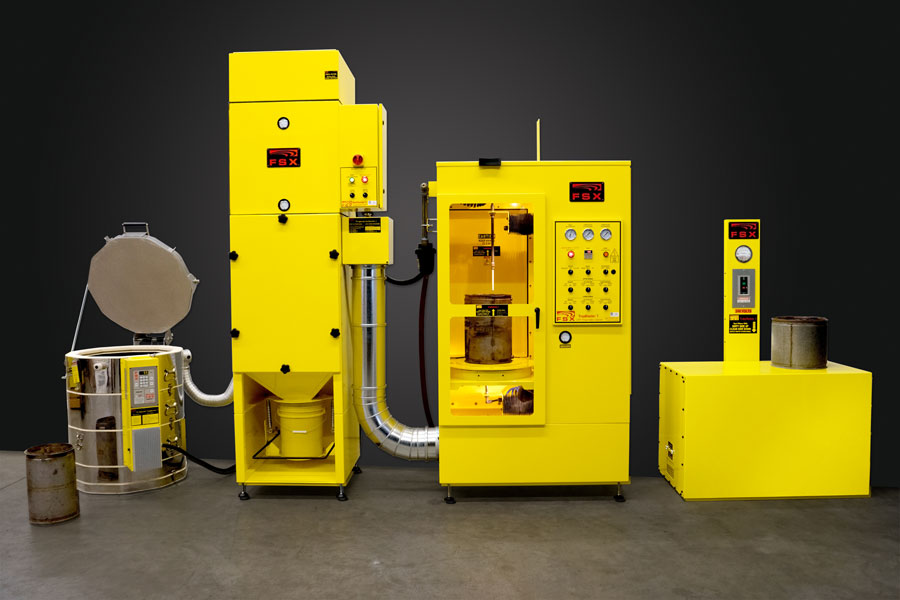
DPF/DOC cleaning system

What is a DPF?

A DPF or Diesel Particulate Filter is a sophisticated vacuum bag. The filter traps the particulate matter but still allows clean exhaust to flow through.

Why should you get your DPF cleaned?

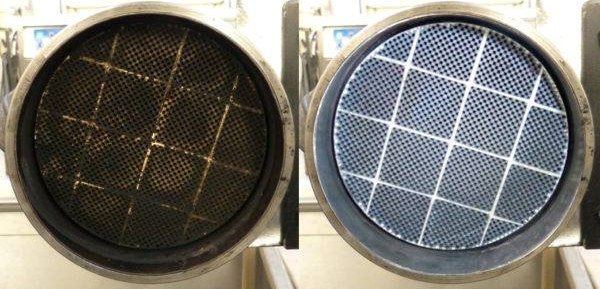
If you think of your DPF as a vacuum bag, eventually the soot and ash will fill the filter and stop it from working. Once the filter is full it will plug the exhaust, risking damage to expensive components and causing downtime to your fleet.
Air Flow Testing

  • Our tests are calibrated for precision measuring of air flows on DPF and DOC filters.
  • Used by engine and truck OEMs as the standardized test bench.
  • Before and after measurements ensure warranty compliance.
  • Monitors filter performance and improvement at every stage of the cleaning process.
  • Identifies defective filters.

Pneumatic Cleaning

  • Pneumatic cleaning machine uses high volume air with patented bi-directional air scanning to remove soot and ash.

Thermal Regeneration

  • We use a controlled regeneration process, carefully programmed to deliver just the right amount of heat, allowing 100% of the soot to be burned off during the thermal regeneration process.
  • Our thermal process uses ambient air while heating. No air being pumped though the filter reduces the risk of cracking the filter or causing thermal stress.
  • Note that 90% of filters will not require this step.

Soot Collection

  • Our final step captures diesel particulate that was released from the cleaning process.
  • The automatic online self-cleaning cycle pulses dust out of the internal filters in a two-stage filtration system.